
Resin identification codes
Numbers 1–7 inside a triangle or chasing-arrows mark identify the type of plastic resin— not whether your council or hauler can recycle that item.
Under ASTM D7611, a Resin Identification Code (RIC) is meant to help sort plastics by polymer type. The code does not mean the article is recycled or that recycling is available where you live, and wording like “recyclable” should not be placed next to the code as an environmental claim. See the ANSI overview of RICs and ASTM D7611.
Symbols and resin types
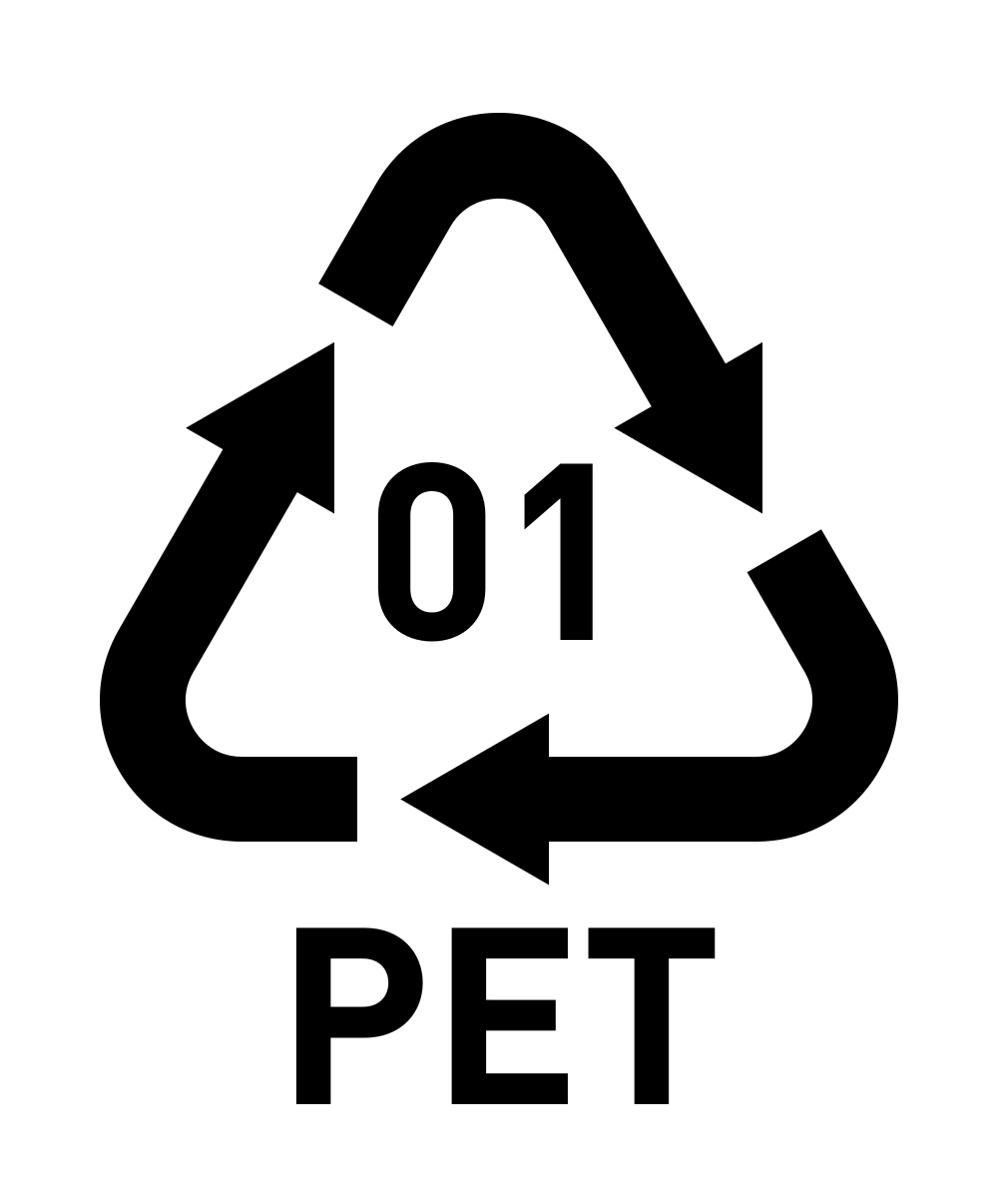
1 — PET
Polyethylene terephthalate
Typical uses: Drinks bottles, food jars and trays, and some clear packaging films.
Recycling: Often accepted in curbside programs for bottles and containers where you live — always check local rules.
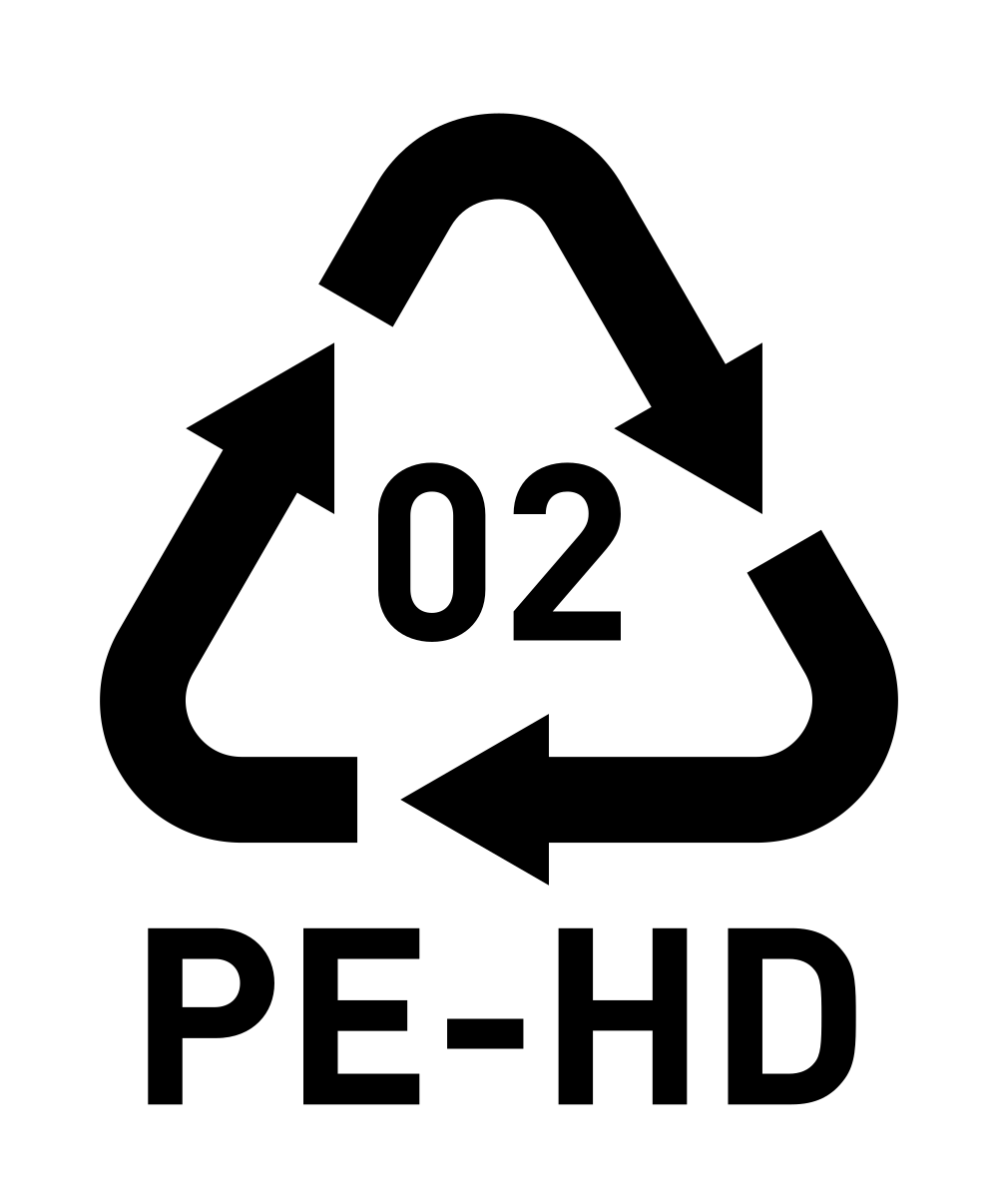
2 — PE-HD
High-density polyethylene
Typical uses: Milk and juice bottles, detergent and cleaning bottles, shampoo bottles, and some rigid tubs.
Recycling: Commonly collected for recycling in many areas when empty and rinsed; rules vary by municipality.
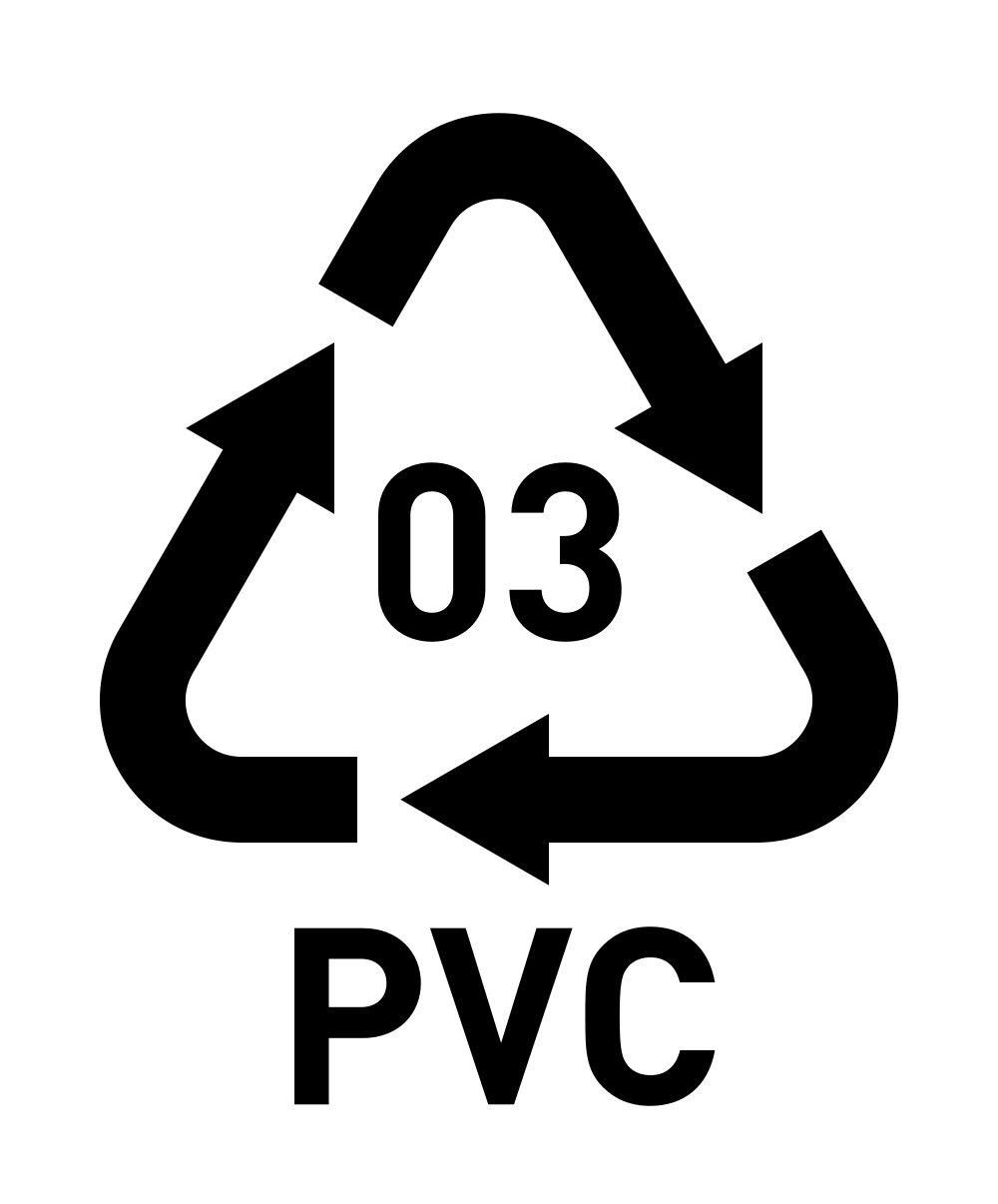
3 — PVC
Polyvinyl chloride
Typical uses: Pipes, window profiles, some cling films and blister packs, cables, and select packaging.
Recycling: Less often collected curbside; specialist or drop-off schemes are common — check locally.
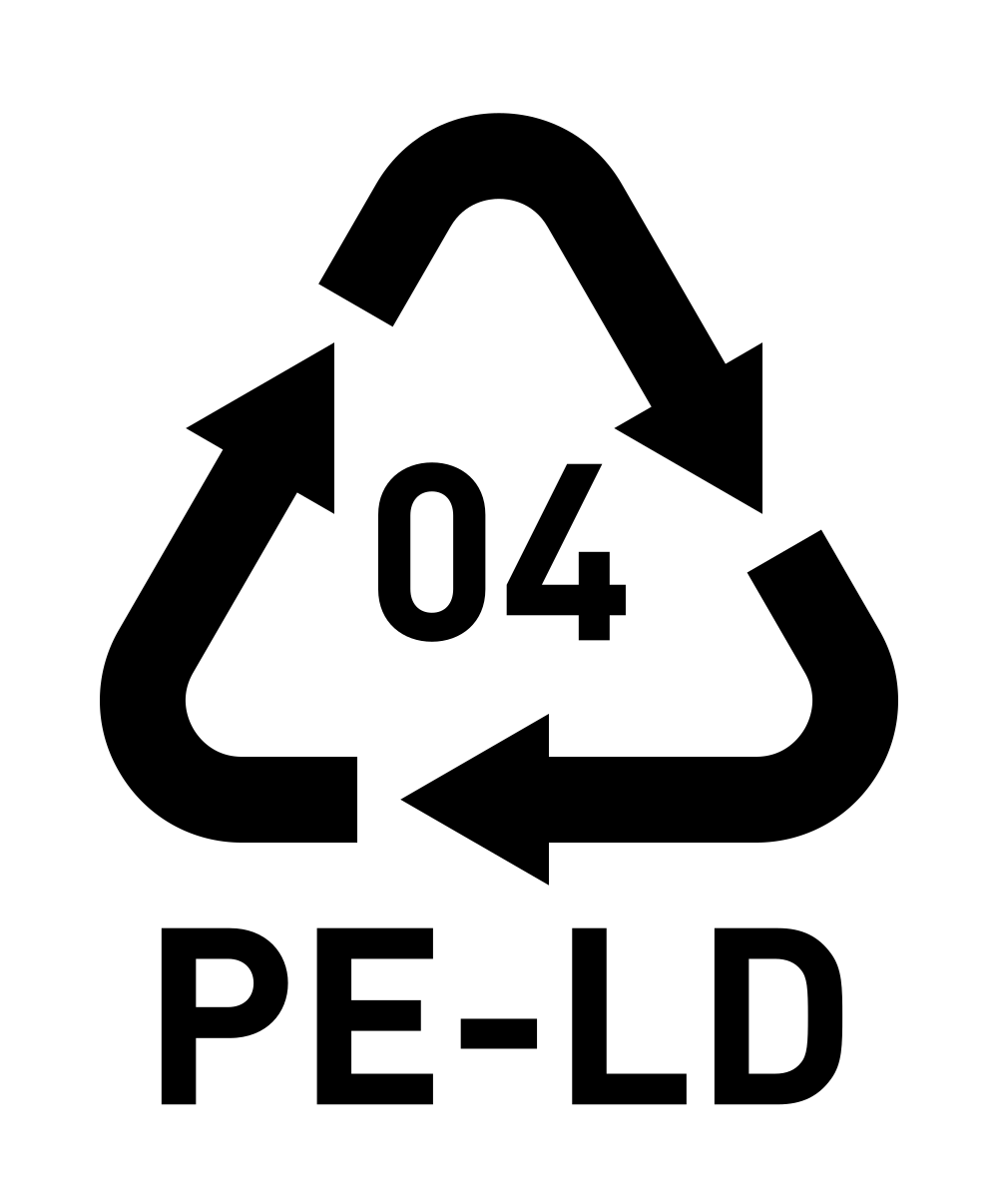
4 — PE-LD
Low-density polyethylene
Typical uses: Squeezable bottles, carrier bags, and flexible films or wrapping.
Recycling: Flexible film is rarely collected curbside; many regions use store drop-off or separate film collections.
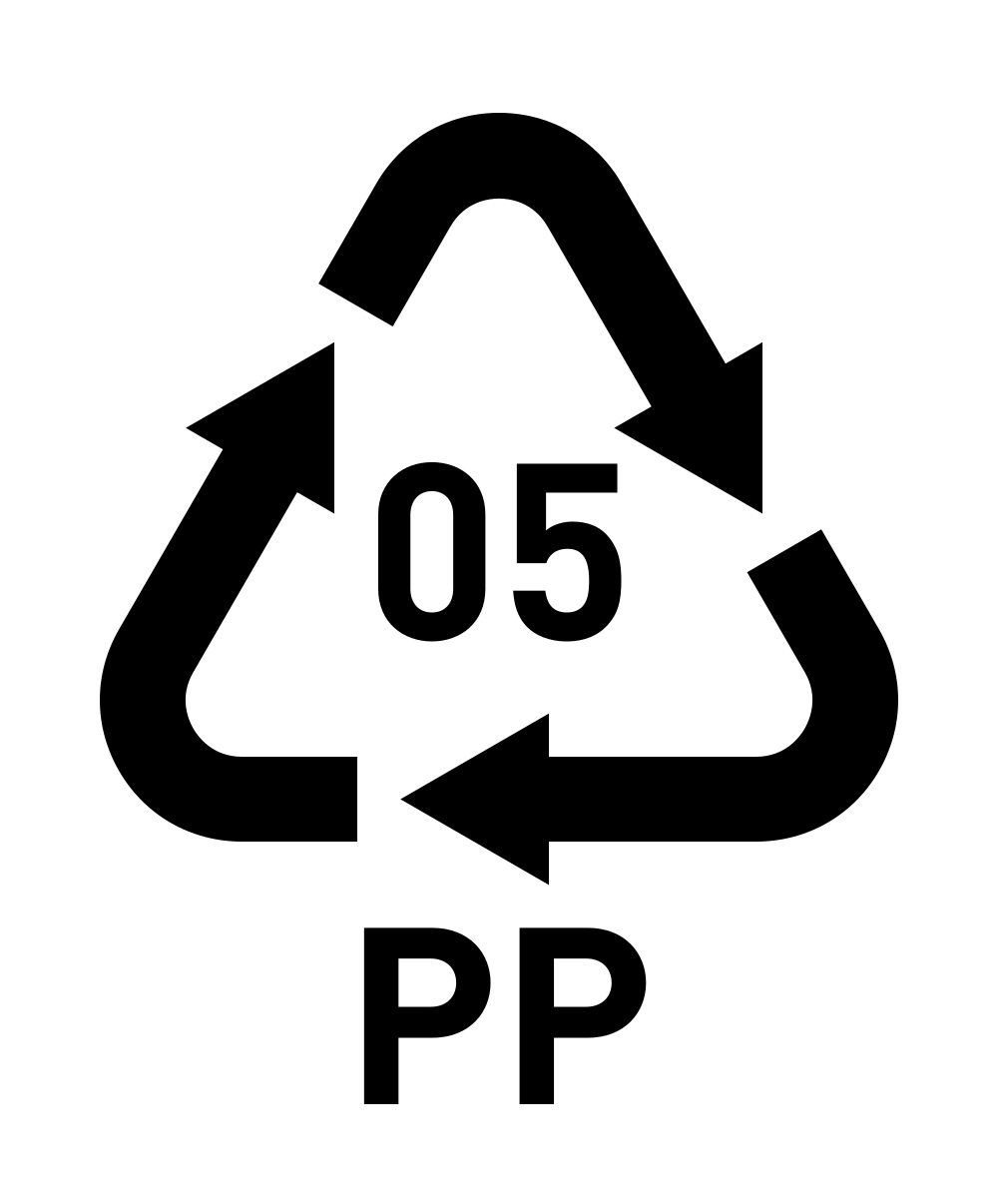
5 — PP
Polypropylene
Typical uses: Microwaveable tubs and lids, bottle caps, straws, and some takeaway containers.
Recycling: Increasingly accepted in recycling programs, but not universal — confirm with your local authority.
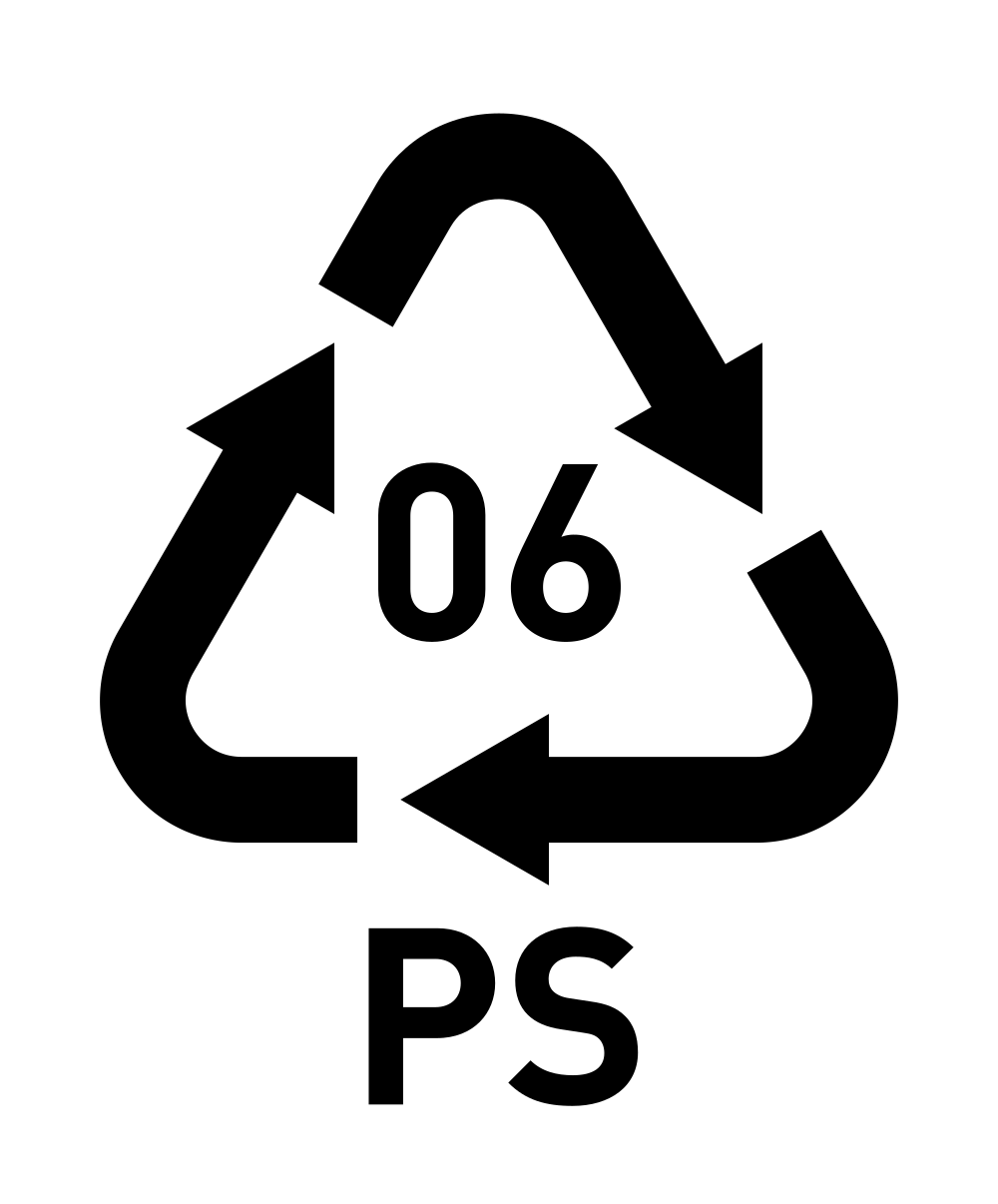
6 — PS
Polystyrene
Typical uses: Disposable cups and plates, meat trays, takeaway clamshells, and packaging foam.
Recycling: Often limited curbside collection; expanded polystyrene (foam) usually needs dedicated routes if accepted at all.
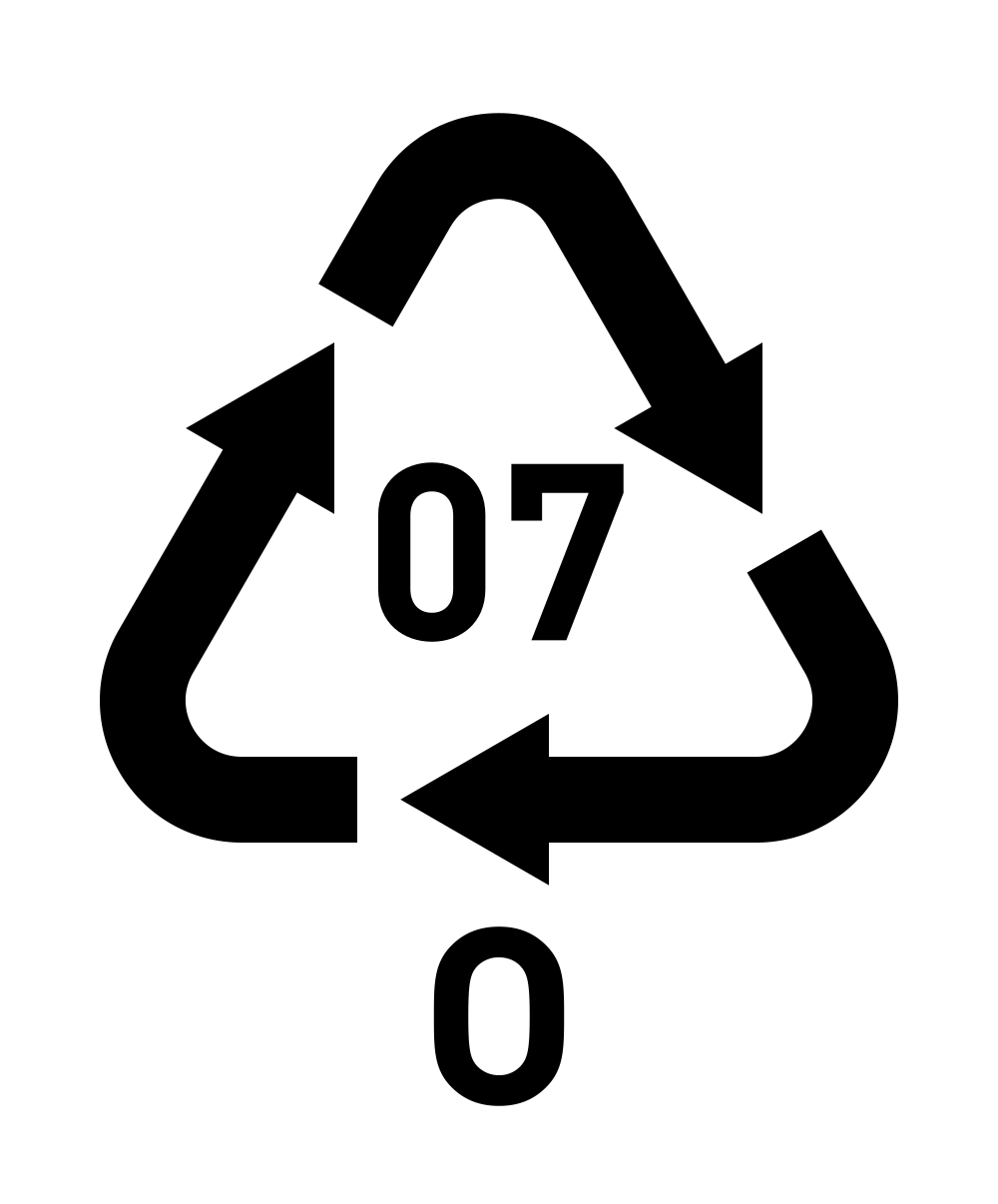
7 — OTHER
Other or mixed resins
Typical uses: Multi-layer packaging, some crisp and snack bags, polycarbonate in older drinkware, and specialty plastics.
Recycling: Highly variable; many items need retailer take-back, TerraCycle-style schemes, or are not widely recycled.
How to recycle — by region
Collection rules differ by country and local program. Use official guidance for where you live.
United States
U.S. EPA — How do I recycle common recyclables? (plastics section) — What typically belongs in household recycling and what varies by community.
Europe (EU)
European Commission — Waste and recycling — EU waste policy context; member states implement collection rules locally.
United Kingdom
Recycle Now — national recycling guidance — England-wide guidance; use the recycling locator for what your council accepts.
Item-by-item guides (United Kingdom)
Examples from Recycle Now (rules depend on postcode).
Related: Food allergy & laundry care symbols